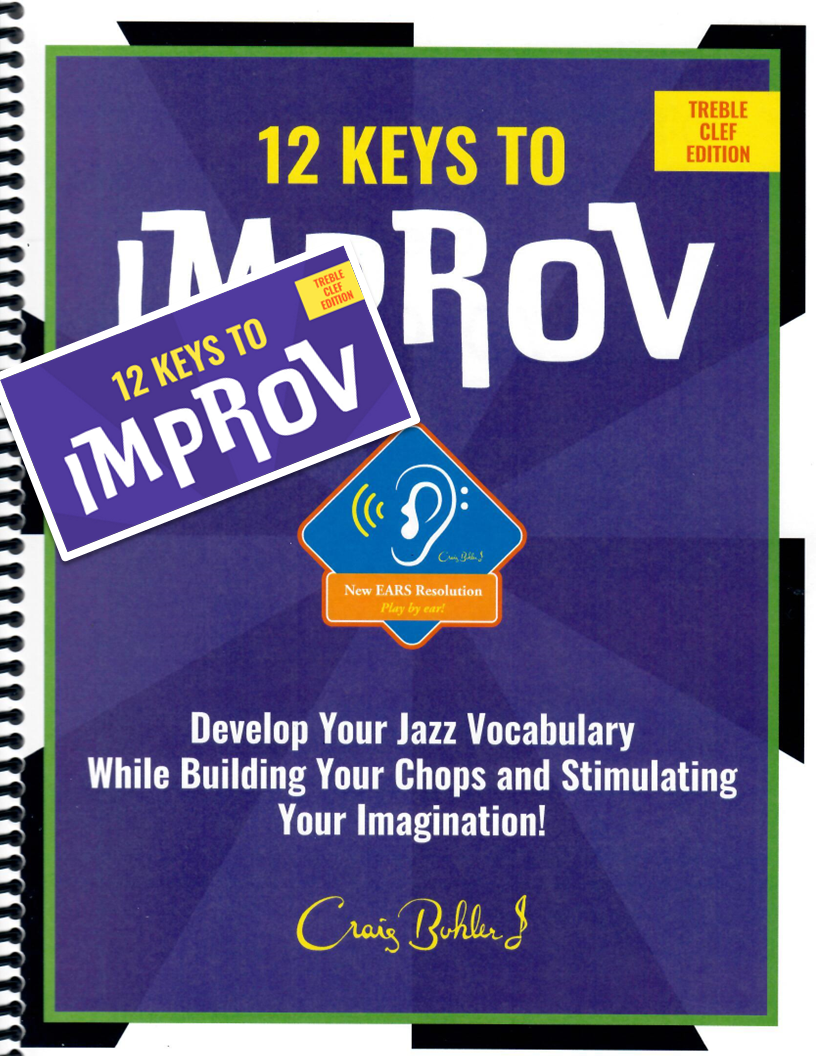
Download the treble clef pdf book and the 47 mp3 recordings
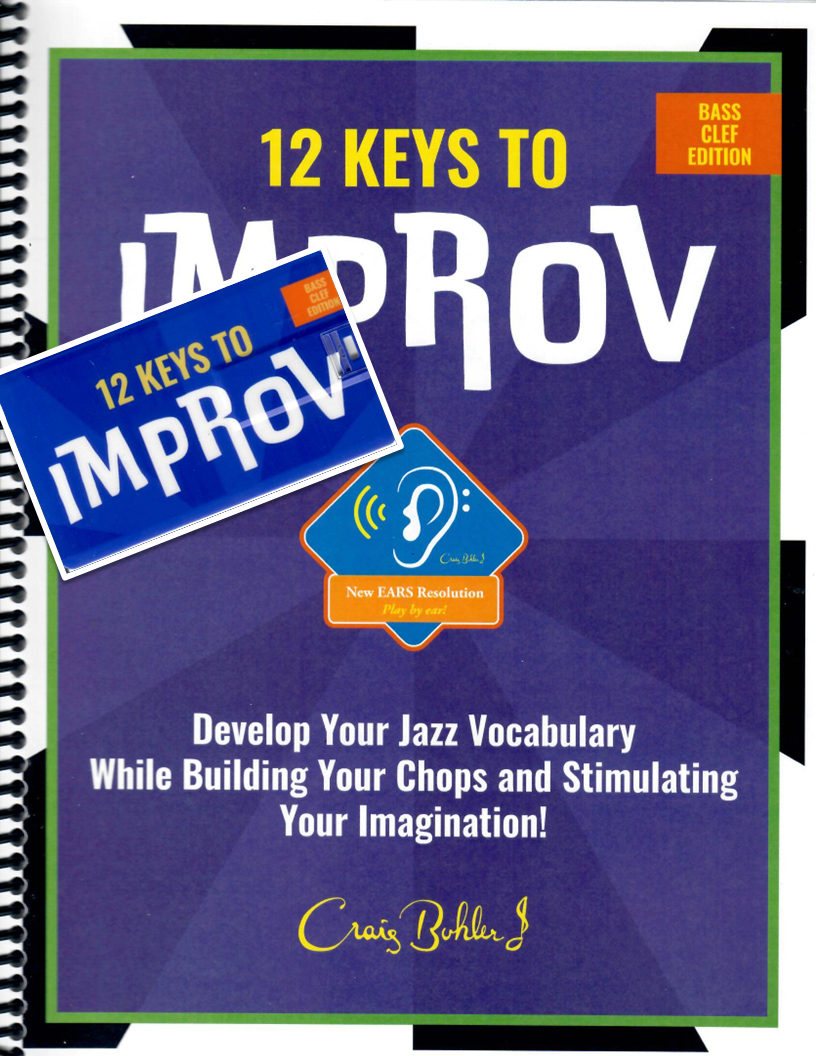
Download the bass clef pdf book and the 47 mp3 recordings
UNFORTUNATELY, THE US POSTAL SERVICE DRASTICALLY INCREASED THE COST OF INTERNATIONAL SHIPPING RECENTLY. IF YOU DESIRE THE PHYSICAL BOOK+USB DRIVE, PLEASE CONTACT ME TO DETERMINE THE COST OF SHIPPING TO YOUR COUNTRY. GIVEN THIS UNFORESEEN DISRUPTION, I SUGGEST YOU DOWNLOAD THE ZIP FILE INSTEAD. THAT WAY, YOU WILL HAVE INSTANT ACCESS TO THE MATERIAL WITH NO SHIPPING COST.
Treble clef physical book and USB drive
We’ll mail you the 100-page physical book (treble clef) and also the USB memory stick containing both the book as well as the 47 mp3 music recordings.
Bass clef physical book and USB drive
We’ll mail you the 100-page physical book (bass clef) and also the USB memory stick containing both the book as well as the 47 mp3 music recordings.
Many music students ask me, “How do I learn to improvise?” Well, it’s really two different questions, “the how” and “the what.”
The “how” question is called “ear training”: How do I learn to play a familiar tune like “Happy Birthday” in any key without looking at a chart? You can learn to play by ear just like hundreds of musicians using my earlier book, “New Ears Resolution.” Click here to order this revolutionary ear training method used by players all around the world.
But the “what” question is much more personal. It boils down to: “Now that I know how to play by ear, what notes am I going to I choose?”
The content of your improvised solos is totally dependent on the nature of your own unique musical personality. I never try to make my student sound like me. Instead, we work together to discover your individual musical personality already brimming inside you. It’s as unique to you as your favorite foods, films, friends, and fingerprint.
My new book, “12 Keys to Improv,” can help you unearth the personal improvisational style lying dormant deep within your soul. These 47 short phrases are not boring, mindless exercises like so many methods. Not at all! Instead, they’re the kinds of melodic licks real artists play on actual gigs. And the appendix teaches you how to create your own riffs spontaneously.
Playing through this material will strengthen your chops, but – more importantly – it will stimulate your creative imagination.
Choose either the “treble” or “bass clef” edition, depending on your instrument. All of the 47 audio mp3 files plus the 100-page pdf book are contained on a convenient USB thumb drive. Or, If you prefer, you can also purchase the hundred-page physical book.
Order “12 Keys to Improv” today, and begin your fascinating journey into the thrilling world of jazz improvisation !

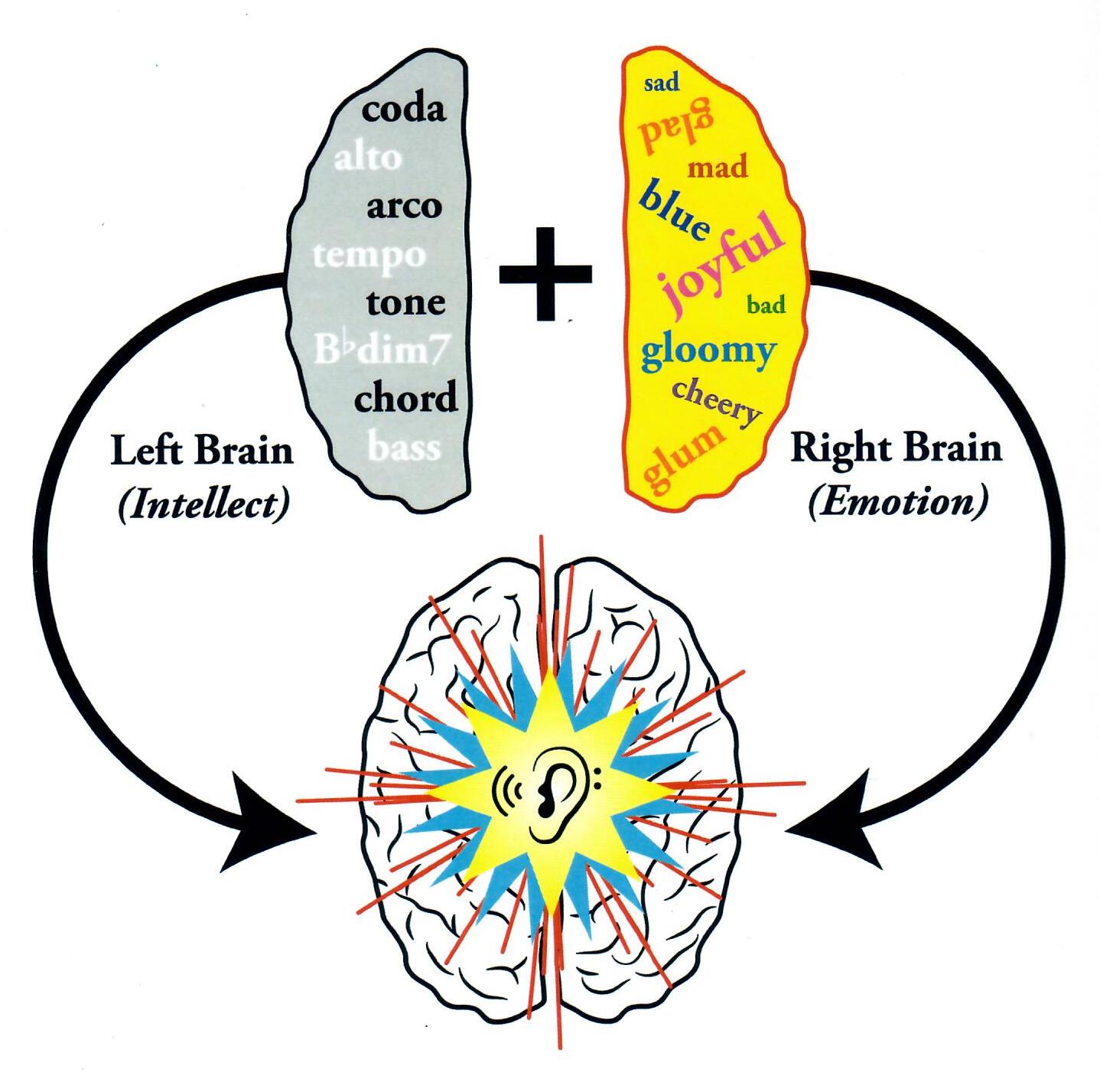 “If you have a clear grasp of what you’re about to play, your notes will be skillfully executed, with conviction and authority. However, if your conception is muddled, your playing will be clumsy and unfocused.”



 CRAIG BUHLER JAZZ
